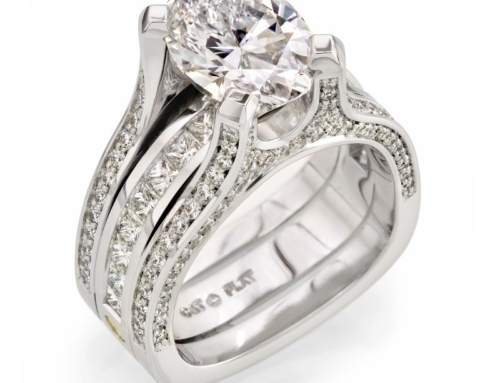
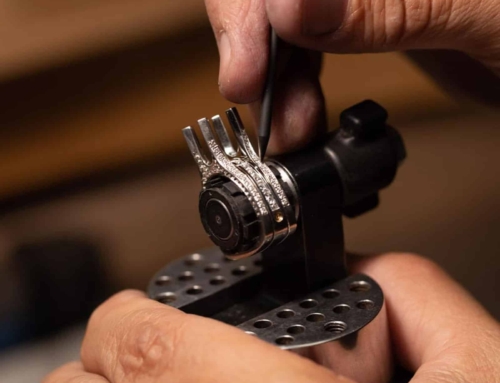
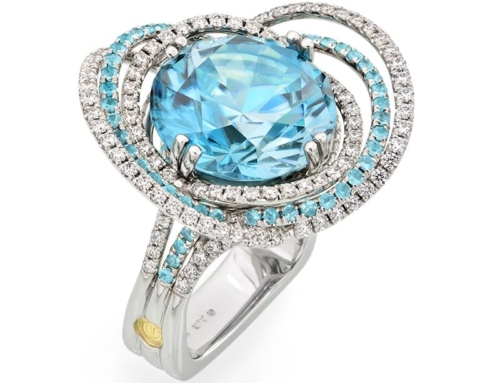
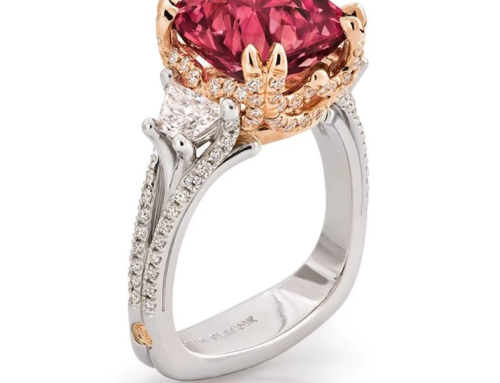
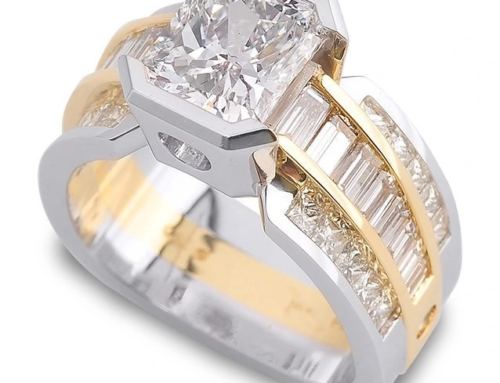
When you want a diamond with a brilliant display of sparkle in a unique piece of jewelry, we make sure our stones are rigorously graded by the four characteristics that are often referred to as the Four C’s of the diamond grading chart: Cut, Color, Clarity and Carat Weight.
This is a quick overview of the elements within the diamond grading chart. Of course, there are infinite possibilities of different combinations. After looking at hundreds of thousands of diamonds in our careers, we know that not all G color, SI1 clarity diamonds look alike. Each diamond has it’s own personality; so don’t shop for a diamond certificate. Instead, let our experienced staff help you find the diamond that speaks to you.
CUT
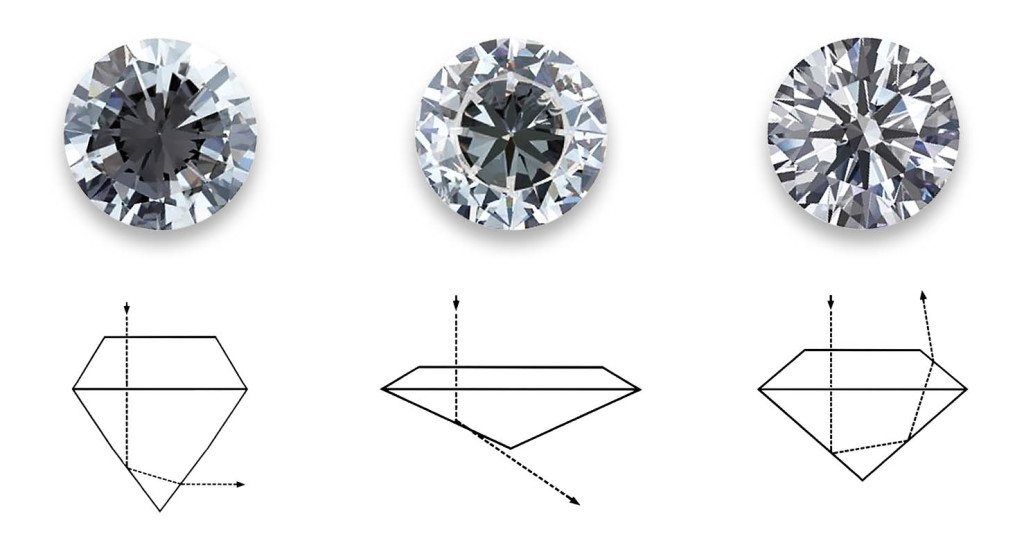
In our opinion, the most important factor when it comes to the diamond grading chart. Cut evaluates the diamond cutter’s skill in the fashioning of the diamond, which determines how much it is going to sparkle. When we say cut, we are referring not only to the proportions of the diamond but also to the polish quality and overall symmetry. A diamond’s unique ability to manipulate light efficiently can only be released and maximized by cutting and polishing the diamond to an extremely high level of accuracy. Some diamonds are cut to look bigger than they really are so they look very flat or lifeless. The opposite can occur when a diamond is cut to conserve the most amount of weight from the rough diamond—usually resulting in a very dark-looking diamond. We carry diamonds that are cut with just the right proportions to show off their most beautiful asset, sparkle, and fire. The quality of the cutting can affect the price of a diamond by up to 50 percent, so remember; there is a reason for one diamond to be less expensive than another even if the color and clarity are identical.
COLOR
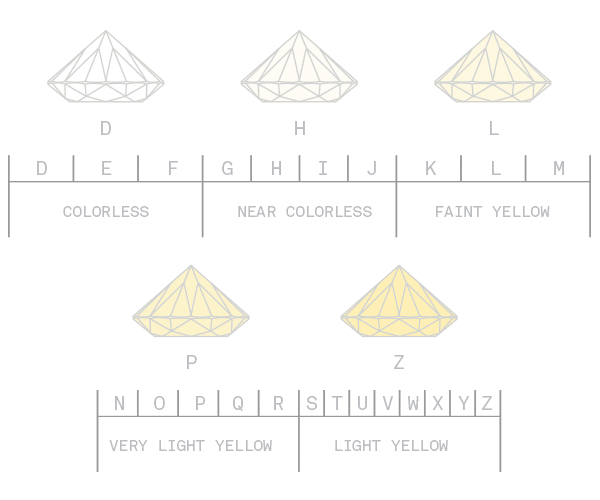
Most diamonds possess varying degrees of yellow or brown. Small, subtle differences in body color can make a substantial difference in value. In the diamond grading chart, the color scale starts at D (colorless) and goes down to Z (yellow). To accurately and consistently grade color, an American Gem Society experienced grader will utilize special lighting to compare the diamond being graded to a set of AGS Master Color Comparison Diamonds, which have met exacting standards of cut, color, clarity, and carat weight. All of Coffin & Trout’s diamonds have been color graded against our Master Color Set of Diamonds. We even double check the diamonds that have certificates from GIA, AGS, and EGL.
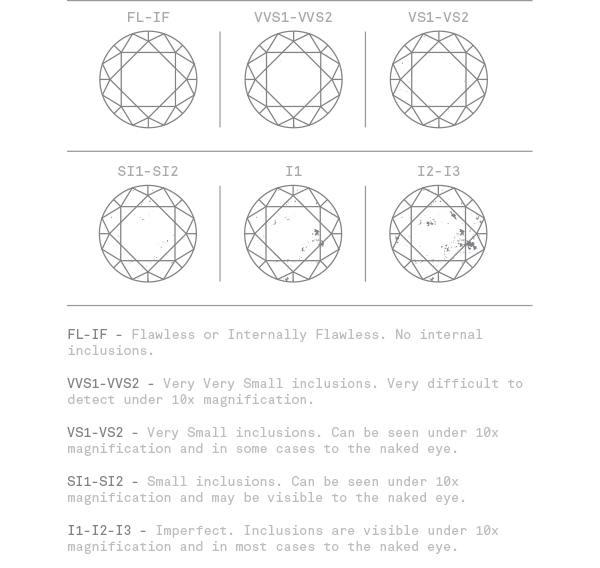
In the diamond grading chart, clarity refers to inclusions, such as feathers or crystals, inside or on the surface of the diamond. The fewer inclusions or blemishes a diamond has, the more valuable. To locate these tiny characteristics, our gemologist will use a binocular microscope that magnifies the diamond ten times. Then, evaluating the size, location, nature, number, and color of all the inclusions and blemishes, a clarity grade will be assigned. Some keywords for the amount of inclusions you would be able to see are minute (VVS), minor (VS), noticeable (SI), and obvious (I). The inclusions become eye visible at I1 and are a durability factor at I2 and I3.
CARAT
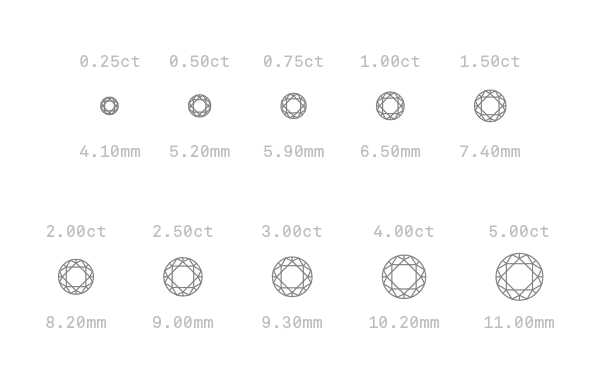
The standard used in the diamond grading chart to measure diamond weight is the carat. Each carat is divided into points with each point representing 1/100th of a carat. So, 50 points would be equal to one-half carat just like pennies to a dollar. While weight may be the least important of the four Cs in determining value, it may be the easiest of the four Cs to gauge accurately and is the most objective. As diamonds increase in size, their cost tends to increase exponentially. Thus, a one-carat diamond may cost more than twice as much as a one-half carat stone of equal quality.
diamond clarity, diamond chart, carat, naked eye, brilliant, emerald, gemological institute of america, diamond cut, inclusion, diamond color, gemstone, magnification, loupe, wedding ring, facet, microscope, fluorescence, price, princess cut, crystal, beauty, gemology, web browser, chart, weight, skip to content, clarity, grading, diamond color scale, diamond rating chart, diamond grading scale, diamond clarity and color chart, diamond scale, diamond color rating, diamond clarity rating, diamond colour chart, diamond scale chart, gia diamond chart, diamond grading chart, diamond clarity scale, gia clarity scale, clarity scale, diamond color ranges, gia diamond clarity scale, clarity grading, synthetic diamond, symmetry, laser, angle, ultraviolet, color grading, measurement, fingerprint, feather, laboratory, american gem society, culet, inspection, refraction, the crown, carbon, length, diagram, evaluation, percentage, scintillation, crystal structure, de beers, quality control, graining, pavilion, spectroscopy, international gemological institute, pear, nitrogen, visibility, relief, diameter, brightness, hue, final grading, gia report number, buying guide, gia report
Frequently Asked Questions
What is diamond grading chart?
The diamond grading chart is a tool that outlines the criteria used to evaluate a diamond's quality, including factors like carat weight, cut, color, and clarity. This guide helps buyers understand the value and characteristics of diamonds before making a purchase.
How does diamond grading work?
Diamond grading works by evaluating the four essential attributes known as the "Four Cs": cut, color, clarity, and carat weight. Each factor is assessed to determine the overall quality and value of the diamond.
What diamond grade should I buy?
The diamond grade you should buy depends on your budget and preferences, but generally, aim for diamonds graded between G and I for a balance of quality and value while maintaining a beautiful appearance.
What diamond grade is the best?
The best diamond grade is typically considered to be "D," which denotes a colorless diamond with exceptional clarity and brilliance. Such diamonds are highly sought after for their pristine quality and beauty.
How diamonds are graded?
Diamonds are graded based on the 4 Cs: Carat weight, Cut, Color, and Clarity. These criteria evaluate the diamond's quality, affecting its appearance and value, allowing buyers to make informed purchasing decisions.
What factors influence diamond grading?
The factors that influence diamond grading include the Four Cs: cut, color, clarity, and carat weight. Each of these elements contributes to a diamond's overall quality, appearance, and value, guiding informed purchasing decisions.
How to read a diamond grading chart?
Reading a diamond grading chart involves understanding the four Cs—cut, color, clarity, and carat weight. Each category contains specific criteria that determine the diamond’s quality and value, helping buyers make informed decisions.
What are the steps in diamond grading?
The steps in diamond grading include evaluating the four key factors: Carat (size), Cut (quality of the cut), Color (whiteness), and Clarity (flaws), to determine the overall quality and value of the diamond.
Which diamond grade offers the best value?
The diamond grade that offers the best value typically falls in the G to I range, balancing quality and price. These grades appear visually similar to higher grades but come at a more affordable cost, making them excellent choices for buyers.
How does clarity affect diamond grading?
Clarity significantly affects diamond grading. It refers to the presence of internal or external imperfections, known as inclusions and blemishes, which can impact the stone's brilliance, value, and overall appearance. Higher clarity usually results in a more valuable diamond.
What is the significance of diamond cut?
The significance of diamond cut lies in its impact on a diamond's brilliance and overall aesthetic appeal. A well-executed cut enhances light performance, making the diamond appear more vibrant and full of life, ultimately influencing its value.
What grading scales are used in diamonds?
The grading scales used in diamonds include the Gemological Institute of America (GIA) scale, which evaluates diamonds based on the Four Cs: cut, color, clarity, and carat weight, providing a standardized assessment of quality.
How does color impact diamond quality?
The impact of color on diamond quality is significant. Color grading, which ranges from colorless to light yellow or brown, affects a diamond's value and beauty, with colorless stones typically being the most desirable and valuable.
What certifications should diamond grading have?
The certifications that diamond grading should have include those from reputable organizations such as the Gemological Institute of America (GIA) and the American Gem Society (AGS). These certifications ensure accurate and reliable grading of diamonds.
How can one assess diamond grading accuracy?
Assessing diamond grading accuracy involves verifying the certification from reputable gemological laboratories, comparing the grade with similar diamonds, and seeking expert evaluations to ensure transparency and consistency in the grading process.
What distinguishes various diamond grades?
The distinction between various diamond grades lies in the quality of their cut, color, clarity, and carat weight, collectively known as the Four Cs. These factors significantly influence a diamond's overall value and appearance.
How is diamond weight factored into grading?
The weight of a diamond, measured in carats, plays a crucial role in its grading. Heavier diamonds are generally more valuable, as larger size often correlates with higher quality and rarity, impacting the overall grade assigned by gemologists.
What is the best diamond certification?
The best diamond certification is typically provided by reputable grading laboratories such as the Gemological Institute of America (GIA) or the International Gemological Institute (IGI), as they adhere to strict grading standards and offer reliable evaluations of a diamond's quality.
How do inclusions affect diamond grading?
Inclusions significantly impact diamond grading by affecting the clarity, one of the key criteria assessed in the grading process. Higher inclusion levels typically lower a diamond's grade and value, influencing its overall appeal and market price.
What tools are used for diamond grading?
The tools used for diamond grading include a gem microscope, loupe, refractometer, and polariscopes. These instruments help assess clarity, color, cut, and carat weight, providing a comprehensive evaluation of a diamond’s quality.
How to compare different diamond grades?
Comparing different diamond grades involves assessing their cut, clarity, color, and carat weight (the Four Cs). Review the grading reports from reputable gemological laboratories to understand these attributes and make informed comparisons based on your preferences and budget.
What is the role of fluorescence in grading?
The role of fluorescence in grading refers to how a diamond's ability to emit visible light when exposed to ultraviolet rays can affect its overall quality assessment. While fluorescence can enhance appearance in certain lighting, it may sometimes diminish a diamond's value.
What should I look for in a grading chart?
When reviewing a grading chart, look for the key evaluation criteria of diamonds: the four Cs—carat weight, cut, color, and clarity. These elements determine the diamond's quality and value, guiding your purchasing decision effectively.
How can I verify diamond grading claims?
To verify diamond grading claims, request the diamond's certification from a reputable grading laboratory, such as GIA or AGS. This certification provides an independent assessment of the diamond's quality and ensures the grading information is accurate and trustworthy.
What is the impact of polishing on grading?
The impact of polishing on grading is significant, as it enhances a diamond's surface quality by removing blemishes and improving its brilliance. Proper polishing can elevate a diamond's grade, influencing its overall value and appeal.
How does symmetry affect diamond grading?
Symmetry plays a crucial role in diamond grading as it affects the overall appearance and brilliance of the stone. Well-proportioned symmetry enhances light performance, increasing a diamond's value and visual appeal.
What commonly influences diamond grade variance?
The factors that commonly influence diamond grade variance include the diamond's cut, clarity, color, and carat weight. Each attribute is assessed in detail, affecting the overall grading and perceived value of the diamond.
Can a diamond’s grade change over time?
A diamond’s grade can indeed change over time. Factors such as wear and tear, damage, or even changes in the diamond's environment can affect its clarity and overall quality, potentially impacting its grade.
What are the characteristics of a top diamond grade?
The characteristics of a top diamond grade include exceptional clarity, color, cut, and carat weight, often rated as 'D' for colorless and 'IF' for clarity, ensuring maximum brilliance and fire in the diamond.
How are diamonds graded for certification?
Diamonds are graded for certification based on the Four Cs: Carat weight, Cut, Color, and Clarity. Expert gemologists evaluate these characteristics to provide an accurate assessment of the diamond's quality and value, ensuring buyers make informed decisions.
diamond clarity, diamond chart, carat, naked eye, brilliant, emerald, gemological institute of america, diamond cut, inclusion, diamond color, gemstone, magnification, loupe, wedding ring, facet, microscope, fluorescence, price, princess cut, crystal, beauty, gemology, web browser, chart, weight, skip to content, clarity, grading, diamond color scale, diamond rating chart, diamond grading scale, diamond clarity and color chart, diamond scale, diamond color rating, diamond clarity rating, diamond colour chart, diamond scale chart, gia diamond chart, diamond grading chart, diamond clarity scale, gia clarity scale, clarity scale, diamond color ranges, gia diamond clarity scale, clarity grading, synthetic diamond, symmetry, laser, angle, ultraviolet, color grading, measurement, fingerprint, feather, laboratory, american gem society, culet, inspection, refraction, the crown, carbon, length, diagram, evaluation, percentage, scintillation, crystal structure, de beers, quality control, graining, pavilion, spectroscopy, international gemological institute, pear, nitrogen, visibility, relief, diameter, brightness, hue, final grading, gia report number, buying guide, gia report
Frequently Asked Questions
What is diamond grading chart?
The diamond grading chart is a tool that outlines the criteria used to evaluate a diamond's quality, including factors like carat weight, cut, color, and clarity. This guide helps buyers understand the value and characteristics of diamonds before making a purchase.
How does diamond grading work?
Diamond grading works by evaluating the four essential attributes known as the "Four Cs": cut, color, clarity, and carat weight. Each factor is assessed to determine the overall quality and value of the diamond.
What diamond grade should I buy?
The diamond grade you should buy depends on your budget and preferences, but generally, aim for diamonds graded between G and I for a balance of quality and value while maintaining a beautiful appearance.
What diamond grade is the best?
The best diamond grade is typically considered to be "D," which denotes a colorless diamond with exceptional clarity and brilliance. Such diamonds are highly sought after for their pristine quality and beauty.
How diamonds are graded?
Diamonds are graded based on the 4 Cs: Carat weight, Cut, Color, and Clarity. These criteria evaluate the diamond's quality, affecting its appearance and value, allowing buyers to make informed purchasing decisions.
What factors influence diamond grading?
The factors that influence diamond grading include the Four Cs: cut, color, clarity, and carat weight. Each of these elements contributes to a diamond's overall quality, appearance, and value, guiding informed purchasing decisions.
How to read a diamond grading chart?
Reading a diamond grading chart involves understanding the four Cs—cut, color, clarity, and carat weight. Each category contains specific criteria that determine the diamond’s quality and value, helping buyers make informed decisions.
What are the steps in diamond grading?
The steps in diamond grading include evaluating the four key factors: Carat (size), Cut (quality of the cut), Color (whiteness), and Clarity (flaws), to determine the overall quality and value of the diamond.
Which diamond grade offers the best value?
The diamond grade that offers the best value typically falls in the G to I range, balancing quality and price. These grades appear visually similar to higher grades but come at a more affordable cost, making them excellent choices for buyers.
How does clarity affect diamond grading?
Clarity significantly affects diamond grading. It refers to the presence of internal or external imperfections, known as inclusions and blemishes, which can impact the stone's brilliance, value, and overall appearance. Higher clarity usually results in a more valuable diamond.
What is the significance of diamond cut?
The significance of diamond cut lies in its impact on a diamond's brilliance and overall aesthetic appeal. A well-executed cut enhances light performance, making the diamond appear more vibrant and full of life, ultimately influencing its value.
What grading scales are used in diamonds?
The grading scales used in diamonds include the Gemological Institute of America (GIA) scale, which evaluates diamonds based on the Four Cs: cut, color, clarity, and carat weight, providing a standardized assessment of quality.
How does color impact diamond quality?
The impact of color on diamond quality is significant. Color grading, which ranges from colorless to light yellow or brown, affects a diamond's value and beauty, with colorless stones typically being the most desirable and valuable.
What certifications should diamond grading have?
The certifications that diamond grading should have include those from reputable organizations such as the Gemological Institute of America (GIA) and the American Gem Society (AGS). These certifications ensure accurate and reliable grading of diamonds.
How can one assess diamond grading accuracy?
Assessing diamond grading accuracy involves verifying the certification from reputable gemological laboratories, comparing the grade with similar diamonds, and seeking expert evaluations to ensure transparency and consistency in the grading process.
What distinguishes various diamond grades?
The distinction between various diamond grades lies in the quality of their cut, color, clarity, and carat weight, collectively known as the Four Cs. These factors significantly influence a diamond's overall value and appearance.
How is diamond weight factored into grading?
The weight of a diamond, measured in carats, plays a crucial role in its grading. Heavier diamonds are generally more valuable, as larger size often correlates with higher quality and rarity, impacting the overall grade assigned by gemologists.
What is the best diamond certification?
The best diamond certification is typically provided by reputable grading laboratories such as the Gemological Institute of America (GIA) or the International Gemological Institute (IGI), as they adhere to strict grading standards and offer reliable evaluations of a diamond's quality.
How do inclusions affect diamond grading?
Inclusions significantly impact diamond grading by affecting the clarity, one of the key criteria assessed in the grading process. Higher inclusion levels typically lower a diamond's grade and value, influencing its overall appeal and market price.
What tools are used for diamond grading?
The tools used for diamond grading include a gem microscope, loupe, refractometer, and polariscopes. These instruments help assess clarity, color, cut, and carat weight, providing a comprehensive evaluation of a diamond’s quality.
How to compare different diamond grades?
Comparing different diamond grades involves assessing their cut, clarity, color, and carat weight (the Four Cs). Review the grading reports from reputable gemological laboratories to understand these attributes and make informed comparisons based on your preferences and budget.
What is the role of fluorescence in grading?
The role of fluorescence in grading refers to how a diamond's ability to emit visible light when exposed to ultraviolet rays can affect its overall quality assessment. While fluorescence can enhance appearance in certain lighting, it may sometimes diminish a diamond's value.
What should I look for in a grading chart?
When reviewing a grading chart, look for the key evaluation criteria of diamonds: the four Cs—carat weight, cut, color, and clarity. These elements determine the diamond's quality and value, guiding your purchasing decision effectively.
How can I verify diamond grading claims?
To verify diamond grading claims, request the diamond's certification from a reputable grading laboratory, such as GIA or AGS. This certification provides an independent assessment of the diamond's quality and ensures the grading information is accurate and trustworthy.
What is the impact of polishing on grading?
The impact of polishing on grading is significant, as it enhances a diamond's surface quality by removing blemishes and improving its brilliance. Proper polishing can elevate a diamond's grade, influencing its overall value and appeal.
How does symmetry affect diamond grading?
Symmetry plays a crucial role in diamond grading as it affects the overall appearance and brilliance of the stone. Well-proportioned symmetry enhances light performance, increasing a diamond's value and visual appeal.
What commonly influences diamond grade variance?
The factors that commonly influence diamond grade variance include the diamond's cut, clarity, color, and carat weight. Each attribute is assessed in detail, affecting the overall grading and perceived value of the diamond.
Can a diamond’s grade change over time?
A diamond’s grade can indeed change over time. Factors such as wear and tear, damage, or even changes in the diamond's environment can affect its clarity and overall quality, potentially impacting its grade.
What are the characteristics of a top diamond grade?
The characteristics of a top diamond grade include exceptional clarity, color, cut, and carat weight, often rated as 'D' for colorless and 'IF' for clarity, ensuring maximum brilliance and fire in the diamond.
How are diamonds graded for certification?
Diamonds are graded for certification based on the Four Cs: Carat weight, Cut, Color, and Clarity. Expert gemologists evaluate these characteristics to provide an accurate assessment of the diamond's quality and value, ensuring buyers make informed decisions.
 Skip to content